Key Takeaways
- NC workers’ comp covers medical care and wage loss, but disputes, delays, and misclassification issues are common on construction sites.
- Multiple contractors = multiple liability options — workers’ comp may not be your only remedy, and third-party claims can unlock much higher compensation.
- Report fast, document everything, and avoid early settlements — getting a lawyer early protects your claim, your benefits, and your long-term recovery.
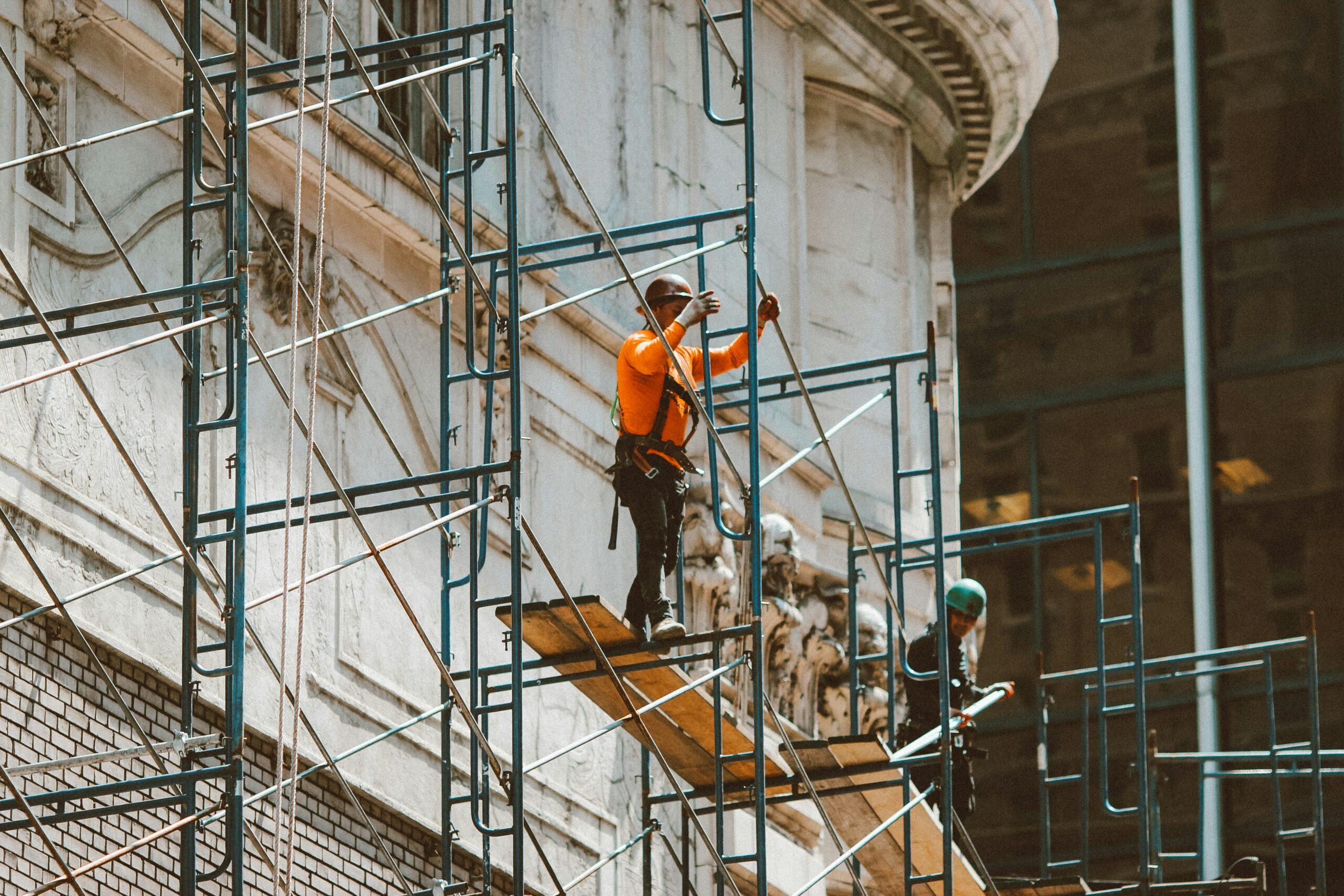
Construction remains one of North Carolina’s most hazardous industries. Falls, electrical injuries, equipment failures, and collapsing structures lead to serious harm on job sites across the state. After an accident, workers often face immediate concerns about medical care, income, and whether their job will remain secure.
North Carolina’s workers’ compensation system is designed to address these issues, but the rules can be difficult to understand without guidance. The system determines who qualifies for benefits, what those benefits include, and how disputes are handled. Our construction site accident attorneys in North Carolina can help you through the process of claiming workers’ compensation benefits.
Understanding the Risks: Why Construction Sites Are So Dangerous in North Carolina
The North Carolina Industrial Commission reports construction accidents as one of the leading sources of workplace injury claims in the state. Construction sites present unique hazards that distinguish them from other work environments. Workers operate heavy machinery, work at significant heights, handle electrical systems, and navigate constantly changing site conditions. These factors combine to create environments where serious injuries occur with troubling frequency.
North Carolina’s rapid growth adds to the risk. Expanding residential projects, commercial builds, and infrastructure work bring more workers onto job sites where coordination and safety responsibilities can be unclear. When multiple companies share the same location, gaps in supervision, rushed timelines, or inadequate training often play a role in preventable injuries.
Recognizing these risks helps injured workers understand how an accident may tie back to unsafe site conditions or breakdowns in safety practices.
Common Types of Construction Site Accidents
Four categories account for most severe injuries on North Carolina construction sites: falls, struck-by incidents, electrocutions, and caught-in or caught-between events.
- Falls remain the leading cause of harm. Workers on scaffolds, ladders, and roofs face significant risk when equipment is unstable, surfaces are slick, or fall-protection systems are missing or used improperly.
- Struck-by incidents occur when workers are hit by tools, materials, or moving equipment. Cranes, forklifts, and trucks operate in tight spaces, and dropped or unsecured materials can cause head injuries, fractures, or crushing trauma.
- Electrocution is common on sites where workers encounter overhead lines, buried utilities, or exposed wiring. Electrical shocks can lead to burns, nerve damage, and cardiac complications.
- Caught-in or caught-between incidents involve trench collapses, machinery entrapment, or workers being pinned between equipment and fixed structures. These events often cause life-altering injuries and, in many cases, death.
How Workers’ Compensation in North Carolina Applies to Construction Injuries
Most North Carolina construction employers must carry workers’ compensation insurance if they have three or more employees. When a worker is injured on the job, this coverage provides medical treatment and wage replacement without requiring proof of fault. The system is administered by the North Carolina Industrial Commission, which oversees claims and resolves disputes.
Construction sites, however, create complications that other workplaces do not. Multiple contractors often operate in the same area, and a worker employed by one company may be injured because of another contractor’s actions. Determining which policy applies requires identifying the correct employer, confirming insurance coverage, and assessing whether a worker was misclassified as an independent contractor.
Misclassification is common in the construction industry. Some smaller contractors incorrectly label workers as independent contractors to avoid carrying insurance. If an employer fails to secure required coverage, the worker may still be entitled to benefits, but securing them becomes significantly harder and may involve additional legal steps.
No-Fault Coverage and What It Means for Injured Workers
Workers’ compensation in North Carolina is a no-fault system. If you are injured while performing your job duties, you generally qualify for benefits regardless of whether you, a coworker, or your employer contributed to the accident. You do not need to prove negligence or show that safety rules were ignored to receive medical treatment or wage replacement.
This structure speeds access to care but also limits legal options. In most cases, workers’ compensation is the exclusive remedy against your employer, even when unsafe conditions or poor safety practices played a role. Workers cannot pursue damages for pain and suffering or other losses that fall outside the workers’ compensation system.
On construction sites, however, not every responsible party is protected by this exclusivity rule. When another contractor, equipment manufacturer, or non-employer third party contributes to the accident, additional claims may be available. Identifying these parties is critical because third-party claims can provide compensation beyond what workers’ compensation allows.
Who Is Covered: Employees, Subcontractors, and Exceptions
Workers’ compensation covers most employees in North Carolina, including full-time, part-time, and temporary construction workers employed by companies with three or more workers. Coverage does not depend on immigration status, and most individuals performing labor on a construction site qualify as employees rather than independent contractors.
Subcontractor arrangements create frequent coverage disputes. Some subcontractors operate as true independent businesses and carry their own workers’ compensation policies. Others are treated as independent contractors in name only. Courts look at the actual working relationship — who directs the work, who provides tools, and how permanent the arrangement is — rather than the label used on paperwork.
If a subcontractor does not carry required insurance, the general contractor may become responsible for providing workers’ compensation coverage to the subcontractor’s crew. This rule is meant to prevent gaps in protection but often leads to disputes about which company is legally considered the employer.
Certain individuals may fall outside standard coverage, including sole proprietors, partners, and some corporate officers who opt out of their own company’s policy. Misclassification or misunderstanding of these exclusions can leave injured workers without clear coverage until the proper employment relationship is sorted out.
What Benefits You Can Receive Through Workers’ Compensation
Workers’ compensation provides several categories of benefits to injured construction workers in North Carolina. These benefits cover medical treatment, wage loss, and long-term impairment.
- Medical care includes all reasonable and necessary treatment related to the injury. This covers emergency care, surgeries, medications, therapy, and medical equipment. The insurance carrier selects the treating physician, though workers may request a one-time change. There are no copays or deductibles for approved treatment, and coverage continues as long as the injury requires care.
- Wage replacement applies when an injury prevents a worker from returning to the job. Temporary total disability benefits pay two-thirds of the worker’s average weekly wage after more than seven days of missed work. If the disability lasts beyond 21 days, the carrier must pay retroactively to the first day of disability. Workers who return to restricted duty at lower pay may receive temporary partial disability benefits to make up part of the wage difference.
- Permanent disability benefits address lasting impairment. After reaching maximum medical improvement, the treating physician assigns an impairment rating. This rating determines whether the worker receives permanent partial disability benefits or qualifies for permanent total disability if the injury prevents any form of employment.
These benefits form the core of what injured construction workers can expect from the workers’ compensation system.
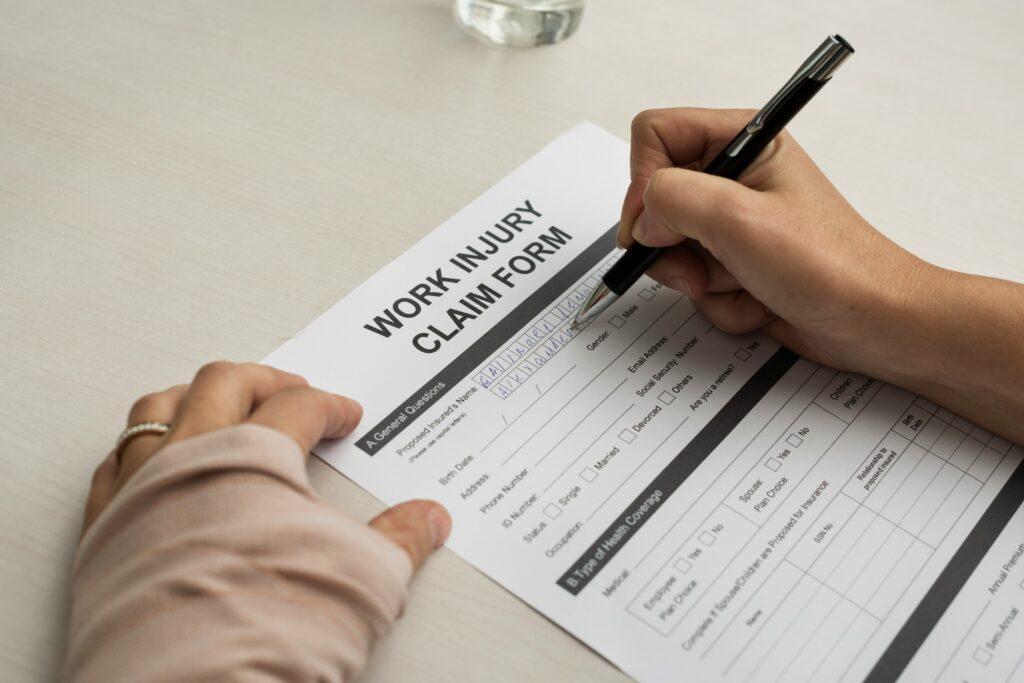
Filing a Claim After a Construction Accident: Key Steps
- Report the injury quickly. Notify your employer within 30 days. Written notice is best, but any report should document when, where, and how the injury occurred.
- Receive and review Form 18. The employer reports the injury to its insurance carrier and should provide Form 18, which explains your rights.
- File Form 18 with the Industrial Commission. This officially starts your claim. Most workers have two years to file, but waiting can create problems.
- Follow the carrier’s investigation. The insurer reviews medical records and decides whether to accept or deny the claim.
- Proceed based on the decision.
- Accepted claims: medical treatment and wage benefits begin.
- Denied claims: you may request a hearing before the North Carolina Industrial Commission.
- Keep your documentation. Retain medical records, wage information, correspondence, and all forms in case disputes arise about coverage or benefits.
Common Challenges and Mistakes in Workers’ Compensation Claims
Construction workers often encounter obstacles when pursuing workers’ compensation benefits. Many of these issues stem from avoidable missteps that weaken an otherwise valid claim.
- Delaying the report. Waiting to tell an employer about an injury is one of the most common problems. Workers may hope symptoms improve or worry about job security, but delayed notice makes it easier for the insurer to question whether the injury occurred at work.
- Accepting an early settlement. Insurance adjusters often push quick settlements before the full extent of an injury is known. Early agreements rarely account for long-term medical needs, permanent impairment, or reduced earning capacity. Once accepted, most settlements cannot be reopened.
- Overlooking third-party liability. Workers’ compensation covers medical care and wage replacement but does not compensate for pain and suffering or full lost income. If another contractor, equipment manufacturer, or property owner contributed to the accident, a separate claim may be available. Many workers miss this opportunity without legal guidance.
These challenges can significantly reduce the value of a claim if not addressed early.
When Workers’ Compensation Isn’t Enough: Third-Party Liability
Workers’ compensation provides medical care and wage replacement, but it does not cover pain and suffering and does not replace full lost income. When someone other than the employer contributes to a construction accident, additional claims may be available. These third-party liability claims often provide compensation that workers’ compensation cannot.
Construction sites typically involve several contractors, subcontractors, equipment suppliers, and property owners. If another company’s employee caused the accident, or if unsafe equipment or a hazardous property condition played a role, that party may be liable.
Examples include:
- Equipment defects such as collapsing ladders, failing harnesses, or malfunctioning power tools
- Negligent subcontractors whose actions create unsafe conditions
- Property owners who fail to correct or warn about dangerous site conditions
- Maintenance companies that improperly service cranes, lifts, or other machinery
Workers may pursue a third-party claim while still receiving workers’ compensation benefits, though some of the workers’ compensation payments may need to be repaid from the third-party recovery. Despite that requirement, combined compensation is often significantly higher than workers’ compensation alone.
Why Legal Representation Matters in Construction Injury Claims
Construction site injuries often involve multiple companies, overlapping insurance policies, and questions about who is legally responsible. An attorney helps identify all available sources of compensation and ensures that workers’ compensation and any third-party claims are handled correctly.
Insurance carriers use adjusters and attorneys to reduce payouts. They may dispute the injury, minimize restrictions, or undervalue permanent impairment. Without representation, injured workers are left to respond to these tactics on their own.
Benefit calculations can also be complex. Construction workers often have variable hours, overtime, or income from multiple sources. An attorney ensures the average weekly wage is calculated accurately and challenges impairment ratings that do not match the medical evidence.
If a claim is denied, legal guidance becomes even more important. Hearings before the North Carolina Industrial Commission require presenting medical records, testimony, and legal argument. Most workers are not prepared to manage this process while recovering from an injury.
Identifying third-party liability also demands investigation and coordination. Determining whether another contractor, equipment manufacturer, or property owner shares responsibility can significantly increase total compensation.
Brown Moore & Associates Helps Injured Construction Workers
Brown Moore & Associates represents injured construction workers across North Carolina. The firm evaluates employment status, identifies available benefits, and assesses whether another party contributed to the accident. If you were injured on a job site, an attorney can explain your rights and handle the legal process while you focus on recovery. Call or contact us today.