Key Takeaways
- Asheville pedestrian cases are high-stakes because insurers often argue contributory negligence, making early evidence collection crucial.
- Severe injuries and complex liability factors — crosswalk rules, visibility, ride-share vehicles, and road design — demand detailed investigation.
- A lawyer protects the claim by managing insurers, documenting losses, and preparing for litigation if negotiations stall.
Asheville’s growth has brought increased foot traffic, dense tourism corridors, and a sharp rise in pedestrian injuries. Collisions involving pedestrians often result in life-changing harm, and the legal issues surrounding these cases can be complex. At Brown Moore & Associates, PLLC, we work closely with injured pedestrians and their families to evaluate the evidence, address the insurance challenges that follow, and pursue the compensation required for long-term recovery.
Why You May Need an Asheville Pedestrian Accident Lawyer
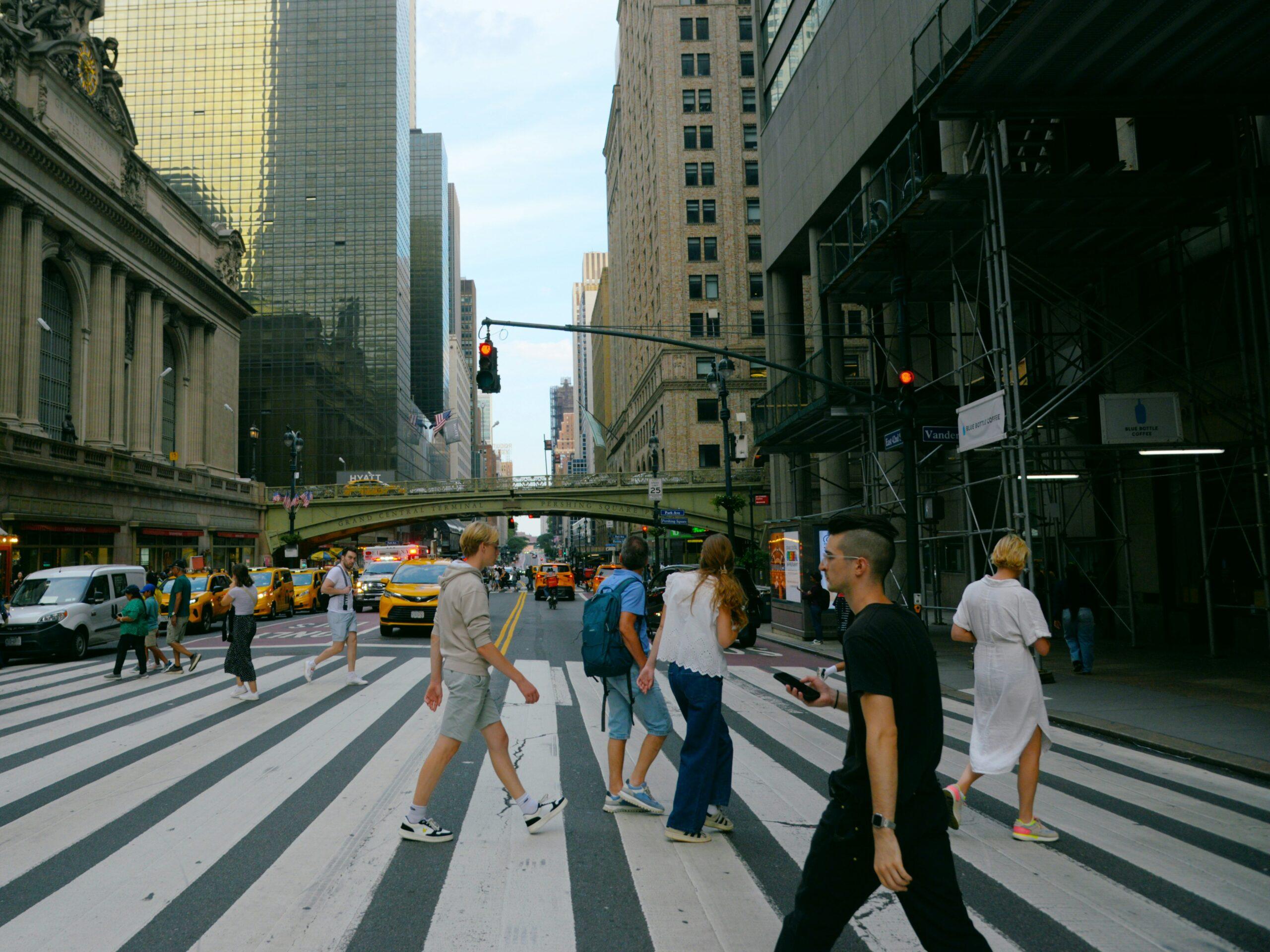
Pedestrian collisions occur in every part of Asheville, from busy downtown intersections to residential streets and commercial corridors. Drivers who fail to yield, turn without checking for pedestrians, or operate their vehicles while distracted put those on foot at significant risk. Because pedestrians have no physical protection, these incidents frequently lead to severe injuries that require extended medical care and careful legal analysis.
A pedestrian accident lawyer helps injured individuals understand how North Carolina law applies, what evidence is needed, and how insurers evaluate liability. Early guidance is often essential because insurers immediately begin reviewing police reports, witness statements, and medical records to determine whether they will accept responsibility.
North Carolina Pedestrian Laws That Shape Liability
North Carolina has specific rules that govern how drivers and pedestrians must behave on public roads. These laws play a central role in determining fault.
Right-of-Way Rules for Pedestrians and Drivers
Drivers must yield to pedestrians crossing within marked crosswalks or at intersections where no traffic signals exist. Pedestrians may not suddenly leave a curb or step into the path of a vehicle that cannot stop in time, but drivers remain responsible for maintaining a proper lookout and slowing down when pedestrians are present.
Crosswalk and Intersection Requirements Under North Carolina Law
A marked crosswalk is not required for pedestrians to have legal protection. Unmarked crosswalks exist at most intersections, and drivers must approach them with caution. Left-turn and right-turn movements are common sources of pedestrian impacts, particularly in Asheville’s downtown grid where vehicle and pedestrian flow intersect closely.
Duties Imposed on Drivers Around Pedestrians
Drivers are expected to operate at a speed that allows them to stop when necessary, keep their windshield and mirrors clear, and exercise heightened caution in areas with predictable foot traffic. School zones, residential neighborhoods, commercial districts, and tourist routes all require additional awareness.
How Contributory Negligence Applies in North Carolina Pedestrian Cases
North Carolina’s contributory negligence rule can bar recovery if the insurer believes the pedestrian was even slightly at fault. Insurers frequently raise this issue, especially when visibility is limited or when they believe the pedestrian may have crossed outside a marked area. We evaluate these arguments closely and gather the evidence needed to demonstrate how the collision occurred and why the pedestrian should not be held responsible.

Serious Asheville Pedestrian Injuries and Their Long-Term Impact
Pedestrians struck by vehicles often sustain severe trauma, even at low speeds. Asheville’s narrow streets, hilly terrain, and dense intersections make these incidents particularly dangerous. Serious but all-too-common injuries include:
- Traumatic brain injuries
- Spinal cord injuries
- Fractures requiring surgical repair
- Internal injuries including organ damage
- Nerve damage
- Significant soft-tissue damage
- Permanent scarring and disfigurement
- Limb or body part loss
When injuries lead to long-term disability, chronic pain, or diminished mobility, the economic and personal consequences can be substantial. Some cases involve permanent impairments that require life-care planning and long-term medical management. When families lose a loved one, North Carolina’s wrongful death laws determine who may bring the claim and what damages may be pursued.
Common Causes of Pedestrian Accidents in Asheville
Even careful pedestrians can be injured when drivers fail to follow basic safety rules. Frequent causes include:
- Drivers turning left or right without checking crosswalks
- Distracted driving, especially involving mobile devices
- Speeding in residential or mixed-use areas
- Failure to yield at intersections or mid-block crosswalks
- Nighttime or low-visibility conditions
- Back-up incidents in parking lots
- Delivery vans, commercial trucks, and brewery-distribution vehicles in narrow corridors
- Increased tourist foot traffic around downtown, South Slope, and Biltmore Village
Understanding the cause of the collision is an important part of determining liability and pursuing compensation.
How Pedestrian Accident Claims Are Investigated in North Carolina
A strong pedestrian accident claim depends on understanding how the collision occurred and what factors contributed to it. Police reports provide a starting point, but they rarely capture every detail needed to assess liability. Our investigation focuses on gathering the kinds of evidence insurers evaluate most closely when determining responsibility.
Key steps often include:
- Reviewing video footage from businesses, traffic cameras, and residential security systems to clarify vehicle movement, speed, and visibility.
- Examining the striking vehicle for damage patterns or available event data recorder (EDR) information.
- Interviewing witnesses to resolve conflicting accounts and establish the sequence of events.
- Assessing environmental factors such as lighting, sightlines, road design, and weather conditions at the time of the collision.
- Evaluating potential distraction by reviewing cell phone records when the facts suggest inattentive driving.
- Documenting injuries through medical records and physician notes to connect the symptoms directly to the impact.
These steps create a clearer understanding of what happened and help address common insurer arguments involving visibility, pedestrian behavior, or alleged contributory negligence. A detailed investigation allows us to present a well-supported claim that reflects the full context of the incident.
What an Asheville Pedestrian Accident Lawyer Does During the Claim
An attorney plays a central role in managing communication with insurers, coordinating medical documentation, and identifying the evidence needed to support the claim. If liability is disputed, if the insurer undervalues the injuries, or if negotiations stall, then your attorney is the one who will file the lawsuit (called a complaint) with the appropriate court. Litigation introduces formal procedures, including discovery, depositions, motion practice, and, if needed, trial.
At Brown Moore & Associates, PLLC, we review medical records to ensure they accurately reflect the injury, obtain wage information from employers, document out-of-pocket losses, and prepare your claim for litigation. Our involvement helps prevent miscommunication, delays, and attempts to minimize the true impact of the injury. It may also put us in a better position to negotiate on your behalf, because insurers know we are ready to file a lawsuit at any time if they refuse to treat you and your claim seriously.
Compensation for Pedestrian Injuries in North Carolina
Compensation depends on the severity of the injury, the financial impact, and the available insurance coverage. Damages may include:
- Medical expenses, including future treatment
- Lost wages and reduced earning capacity
- Permanent disability or impairment
- Pain and suffering
- Loss of mobility, independence, or quality of life
- Wrongful death damages for eligible family members
Each category requires documentation that shows how the injury has affected daily life and long-term functioning.
Challenges Unique to Asheville Pedestrian Accident Cases
Pedestrian collisions in Asheville often involve factors that do not appear as frequently in other parts of North Carolina. The city’s tourism-driven foot traffic means many injured pedestrians are visitors who return home shortly after the incident. These cases require coordination across states to track medical care, document ongoing treatment, and address insurance coverage that may involve multiple jurisdictions.
Asheville’s topography and street layout also create conditions that influence how collisions occur. Narrow corridors such as Merrimon Avenue, Biltmore Avenue, and parts of Tunnel Road leave limited room for drivers to react when pedestrians enter crosswalks. Intersections in older neighborhoods may lack updated markings or consistent lighting, and steep elevation changes can affect visibility at certain approach angles.
Busy pedestrian areas, including downtown, the South Slope brewery district, and Biltmore Village, combine heavy vehicle activity with frequent mid-block crossings. Delivery vans, brewery distribution trucks, hotel shuttles, and ride-share traffic move through these areas throughout the day, increasing the likelihood of conflicts between vehicles and pedestrians. When commercial or fleet vehicles are involved, questions about company policies, training, supervision, and maintenance may also factor into the investigation.
These local conditions require close attention to roadway design, driver behavior, and environmental factors to determine how the collision occurred and who bears legal responsibility.

What to Do After a Pedestrian Accident in Asheville
Immediate steps can make a substantial difference in the outcome of a claim:
Seek medical evaluation as soon as possible
- Follow treatment recommendations
- Preserve clothing, shoes, photographs, and other relevant items
- Keep copies of bills, receipts, mileage logs, and wage information
- Avoid giving recorded statements to insurers without legal guidance
- Document symptoms and limitations as they develop
Pedestrian cases often involve severe injuries, complex liability issues, and aggressive defenses based on contributory negligence. Experience with these challenges allows us to anticipate insurer strategies, identify weaknesses in their arguments, and present the evidence effectively. Litigation requires detailed preparation, familiarity with expert testimony, and a strong understanding of how juries evaluate pedestrian cases. Brown Moore & Associates, PLLC handles these matters with the level of care and scrutiny they demand.
How to Stay Safe as a Pedestrian in Asheville
Asheville’s streets attract a mix of residents, visitors, cyclists, and commercial vehicles, which can create unpredictable conditions for pedestrians. Taking a few precautionary steps can reduce the risk of a collision, especially in busy corridors such as downtown, South Slope, and Biltmore Village. Using marked crosswalks when available, making eye contact with approaching drivers, and waiting for full stops at multi-way intersections help ensure that drivers are aware of a pedestrian’s intent to cross.
Visibility also plays a role. Many streets in Asheville have variable lighting or changing topography, so wearing brighter clothing at night and remaining alert near driveways or alleyways can improve safety. Pedestrians should take extra care in areas with frequent delivery traffic or ride-share pickups, where drivers may be focused on navigation rather than nearby foot traffic.
Even with caution, collisions still occur when drivers fail to yield or overlook pedestrians in crosswalks. Understanding local traffic patterns and remaining aware of surrounding vehicles can help reduce the risk, but it does not eliminate a driver’s responsibility to operate safely.
Asheville Pedestrian Accident Lawyer: Frequently Asked Questions
Will I Have to Go to Trial for a Pedestrian Accident Injury?
Most pedestrian cases resolve before reaching trial, but we prepare each case as if it will be tried. Thorough preparation often leads to stronger settlement opportunities. Whether a case proceeds to trial depends on the severity of the injuries, the strength of the liability evidence, the insurer’s willingness to negotiate, and the extent of disputed damages.
Can a Pedestrian File a Claim If the Driver Was Never Cited by Police?
Yes. A traffic citation can strengthen a claim, but it is not required. Liability is determined by the civil standard of negligence, which relies on evidence such as footage, witness statements, and roadway conditions. Many Asheville pedestrian cases move forward even when no citation was issued.
What If the Driver Who Hit Me Was Using a Ride-Share App?
Collisions involving ride-share drivers may involve multiple insurance policies, including the driver’s personal coverage and the company’s commercial policy. Coverage depends on whether the driver was logged into the app, driving to pick up a passenger, or completing a ride at the time of the collision.
How Long Do I Have to Notify My Own Insurance Company After a Pedestrian Accident?
Most insurance policies require prompt notice, even when another driver is at fault. If uninsured or underinsured motorist coverage becomes necessary, delayed reporting can create challenges. We review policy language with clients to help ensure required notices are completed on time.
Can Road Design or Poor Lighting Affect Liability in Asheville Pedestrian Cases?
Potentially, yes. Steep grades, limited shoulders, aging intersections, and inconsistent lighting can all influence how a collision occurs. When conditions raise questions about roadway design or maintenance, additional parties may be evaluated during the investigation, especially in older or heavily traveled parts of Asheville.
Speak With Our Asheville Pedestrian Accident Lawyers
If you or someone close to you has been injured while walking in Asheville, legal support can help protect your rights and clarify the options available. Contact Brown Moore & Associates, PLLC to discuss your situation and learn how we assist injured pedestrians and their families throughout North Carolina.