Key Takeaways
- North Carolina law requires all cyclists and bicycle passengers under the age of 16 to wear a properly fitted and securely fastened helmet when riding on public roads, paths, and rights-of-way.
- Failing to wear a helmet does not automatically prevent an injured cyclist from filing a personal injury claim, as state law specifically states that helmet non-use cannot be used to establish negligence or liability.
- Bicycle accident claims can be complicated by North Carolina’s strict contributory negligence rule, which may bar recovery if a cyclist is found even partially responsible for causing the accident.
Understanding North Carolina’s bike helmet laws is about more than legal compliance. Knowing the law can potentially save your life or mitigate some of the worst effects of an accident. It can also protect your legal rights. In the event you or a loved one are in a crash, the Charlotte bicycle accident attorneys of Brown Moore & Associates, PLLC are here to help.
Who Has to Wear a Bike Helmet in North Carolina?
North Carolina’s bicycle helmet law applies to public roadways, bicycle paths, and other public right-of-way areas. It is illegal for a parent or legal guardian to knowingly permit a child under the age of 16 to operate or be a passenger on a bicycle without wearing a protective bicycle helmet of good fit. The helmet must be fastened securely on the head with its straps and worn at all times while on the bicycle.
Although this statute does not preempt local governments from adopting stricter or more specific bike helmet rules, they cannot have looser rules. Always check local ordinances to ensure compliance with the law.
What Are the Penalties for Not Wearing a Helmet While Cycling in NC?
In practice, the state’s bicycle helmet law is fairly lenient towards violators. A first violation usually results in a warning. Although a second violation can result in a $10 fine, the court may waive the fine if the person who is responsible for the infraction (e.g. the parent) purchases or obtains a helmet.
What Kind of Bicycle Helmets Are Legal in North Carolina?
North Carolina’s bicycle helmet statute only specifies that riders must wear a protective bicycle helmet of good fit. Helmets that meet the standards of the U.S. Consumer Product Safety Commission (CPSC) are generally considered legally compliant. You should look for the CPSC compliance label inside the helmet, although there may be others.
These regulations would exclude novelty helmets or bump caps. But for all practical purposes, the best indicator of compliance is the label that should be present on the helmet.
What Are the Helmet Rules for E-Bikes?
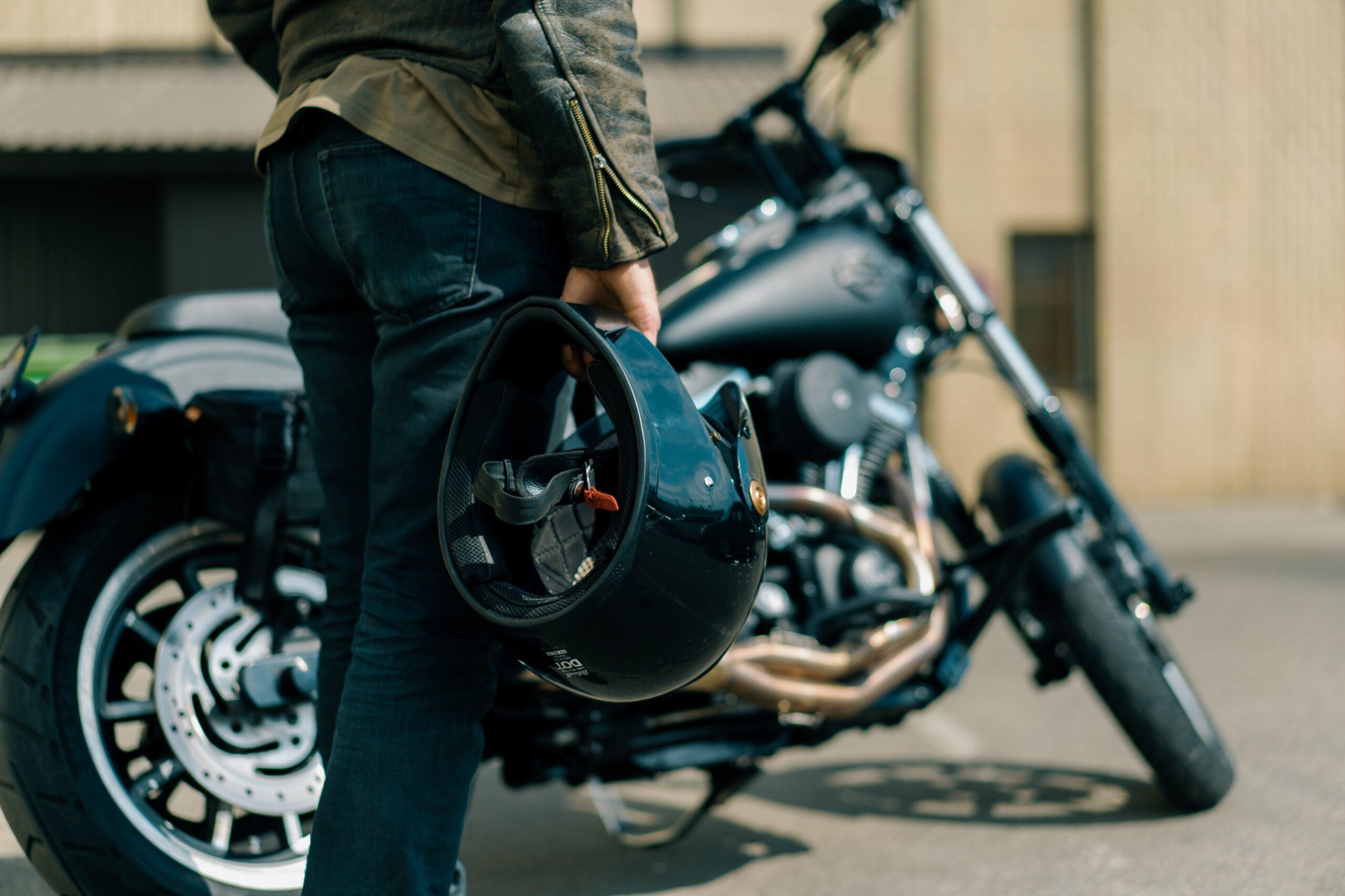
The same bicycle helmet rules apply to Class 3 e-bikes, regardless of age. However, these rules are different from those that apply to mopeds and motorcycles. You must wear a DOT/FMVSS 218 motorcycle helmet to operate those vehicles.
Are You Required to Replace a Helmet After a Bike Accident?
You are not required by law to replace your bike helmet, but you should. Safety organizations and helmet manufacturers generally recommend that bicyclists replace a helmet after a bicycle crash or bike crash involving any meaningful impact, even if the helmet does not appear damaged. That is because a helmet’s protective foam can compress during a crash and may no longer properly protect cyclists or bicyclists from a future head injury.
Can You File a Lawsuit If You Are Injured in a Bicycle Accident But Aren’t Wearing a Helmet?
Yes. North Carolina’s bicycle helmet law only applies to bicycle riders and passengers under the age of 16, and the statute specifically states that a person’s failure to wear helmets cannot itself be used to establish negligence or liability. In other words, failing to wear a bicycle helmet does not automatically prevent an injured bicyclist from pursuing a bicycle accident injury claim after a bike crash or bicycle crash involving a motor vehicle.
That said, insurance companies may still try to argue that certain injuries, particularly a head injury, could have been reduced if a helmet had been worn. These arguments can complicate settlement negotiations, especially in serious bicycle accident injury cases involving motor vehicle drivers or roadway deaths.
If My Child Wasn’t Wearing a Helmet, Am I Responsible If He or She Is Injured?
A parent is not automatically legally responsible if their child was not wearing a bicycle helmet at the time of an accident. Violation of the law only applies when a parent “knowingly” permits their child to operate a bicycle or be a passenger on one without a helmet. And the same language which prevents assessing negligence or liability for failure to wear a helmet would apply.
The child may therefore still have a valid injury claim. But as with bicycle accidents more generally, you should expect resistance from the insurance company. The insurer may either refuse to settle fairly or try to find some other conduct which contributed to the accident that would therefore invoke contributory negligence as a bar to recovery.
How North Carolina’s Contributory Negligence Rule Affects Bike Crash Claims
North Carolina follows a strict rule known as contributory negligence. Under this rule, if an injured bicyclist is found to have any negligence in causing his/her injury, they can be barred from recovering compensation entirely.
This issue often comes up in bicycle crash claims involving motor vehicle drivers, particularly where insurers argue that cyclists failed to follow traffic signs, ignored roadway rules, rode outside designated areas on public roads, or were difficult for motorists to see at night. Even when a driver made an unsafe left turn or otherwise caused the collision, insurers may still look for ways to shift partial blame onto bicycle riders.
Importantly, not wearing a helmet is different from causing the crash itself. A defective helmet or a decision not to wear helmets may affect the severity of a head injury, but it does not necessarily mean the bicyclist caused the accident. However, insurance companies may still attempt to use helmet non-use during negotiations to reduce what they pay.
Because contributory negligence can completely bar recovery, these claims can quickly become complex. Working with experienced bicycle accident attorneys may be critical when dealing with insurers after a serious bike accident injury.
Additional Bicycle Laws in Charlotte, North Carolina
Beyond North Carolina’s bicycle helmet law, bicyclists in Charlotte must follow many of the same rules that apply to motor vehicle drivers. Under North Carolina law, bicycles are generally treated as vehicles, which means cyclists must obey traffic signs, ride in the same direction as traffic, and follow roadway rules on public roads.
North Carolina also requires bicycle riders to use lights and reflectors when riding at night. A bicycle operated after dark must generally have a front lamp visible from at least 300 feet and a rear reflector or red light visible from at least 200 feet.
Although not every safety practice is legally required, cyclists should still ride predictably, use hand signals before a left turn or lane movement, and remain alert to motorists entering intersections or driveways. Bicycle crashes involving motor vehicles often occur because drivers fail to see bicyclists, especially at night or while turning.
Bicycle Laws Specific to Charlotte, NC
In addition to North Carolina’s statewide bicycle laws, Charlotte has local ordinances and roadway rules that apply specifically to bicyclists using public roads and sidewalks within the city.
Under Charlotte ordinances, bicyclists may generally ride on sidewalks except within portions of Uptown bounded by Church Street, Stonewall Street, College Street, and Seventh Street. Cyclists are also required to ride on the right side of the roadway, use lamps when riding at night, and operate bicycles equipped with brakes. Charlotte rules further prohibit riding on handlebars or leaving bicycles unattended in places where they could obstruct pedestrians or create a hazard.
Charlotte has also expanded bike lanes, shared mobility programs, and roadway safety initiatives in recent years as part of broader efforts to improve conditions for cyclists and reduce bicycle crash risks involving motor vehicle drivers.
Contact Our Charlotte Bicycle Accident Lawyers for Help
Bike crashes often lead to serious, even permanent injuries. Without the help of an experienced bike accident lawyer, you could be denied the full compensation package you deserve. That could leave you on the hook for considerable expenses if insurance companies refuse to pay.
However, the insurers do not necessarily have the final say. After receiving medical treatment for your injuries, you should hire a knowledgeable bicycle accident lawyer. Speak with a Charlotte bike accident attorney at Brown Moore & Associates, PLLC. We can review the details of your accident, explain the relevance of North Carolina bike laws, and then get to work seeking the compensation you need to recover. Call or contact us now to schedule a free initial consultation.