
Practice Areas

Charlotte Roadside Impact Accident Attorneys

Home Practice Areas Motor Vehicle Accident Attorneys in North Carolina Charlotte Roadside Impact Accident Attorneys
BMA Blue Light Logo

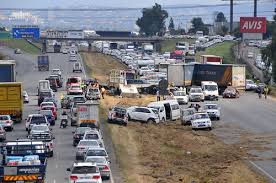
There is a buffer zone on either side of a North Carolina highway in which utility poles and other safety hazards are not allowed or are strictly regulated because of the potential danger to motorists. This zone is called a “clear recovery area” and is regulated by the State Department of Transportation. There are also restrictions on roadside parking and wide loads for similar traffic safety reasons.

If you were injured in a car accident because of unauthorized obstacles in the “clear recovery area” or otherwise injured in a roadside collision, contact us today to discuss your possible legal remedies in a free consultation. The Charlotte personal injury lawyers of Brown Moore & Associates, PLLC, have experience with significant claims in this specialized area of traffic accident litigation.

Did a poorly managed construction zone contribute to or cause your Charlotte car accident because debris was in the road or construction vehicles were entering the highway slowly and unsafely? Maybe construction zone markings or signage was inadequate? Was water runoff poorly managed, resulting in ice patches or puddles on the highway?

If our Charlotte roadside impact lawyers take on a case where a road defect is the suspected cause of an accidental injury, we will investigate accident records on that particular road and analyze the data to determine patterns. In cases where a government body was well aware of a roadway defect and did not take action to correct it or warn the public, our clients’ cases for compensation may be strengthened.

Our personal injury law firm works closely with experts including roadway and traffic engineers as well as accident reconstruction specialists and human factors experts to help determine where negligence lies in car and truck accidents.

Obstructions in the Clear Recovery Area

The North Carolina Department of Transportation recognizes a clear recovery area (CRA) extending beyond the shoulder and the berm of public roadways. Utility companies and businesses must obtain permission from the DOT to place utility poles, light posts, telephone poles, signage, culverts, fences, and other permanent obstructions in the right of way. The width of the CRA is specific to traffic levels, the design speed, and curvature of the roadway, among other factors. The DOT does not prohibit poles but regulates their placement to minimize the public safety risk.

Contact Our Charlotte Roadside Impact Accident Attorneys

We handle all auto accidents occurring on the side of the road and attributable to the negligence of other drivers or entities:

  • Violation of oversized vehicle (wide load) restrictions
  • Parking vehicles or trailers on the roadside for extended periods
  • Parking tractor-trailers on the shoulder or lane without hazard signals or flares
  • State troopers, utility workers, or stranded motorists struck by passing vehicles in violation of North Carolina’s Move Over law
  • Collisions, rollovers, or left-the-road accidents caused by debris or obstacles in the roadway
  • Injuries caused by improperly graded roadsides or road surfaces

Learn how we can help you after a car accident by talking to one of our attorneys at Brown Moore & Associates, PLLC. We invite you to contact our law firm to schedule a complimentary initial consultation.
Testimonials
01
02
03
04
truck accident
  • Star icon
  • Star icon
  • Star icon
  • Star icon
  • Star icon
"They held my hand through the whole process, they were patient enough to explain the steps in detail and helped me to articulate my pain and suffering. They think outside of the box and aggressively fought for me and my best interests. I can’t thank them enough for their hard work and their ability to make me feel like we were family and that my little problems were a priority."
A. Vue
Brown Moore & Associates team
  • Star icon
  • Star icon
  • Star icon
  • Star icon
  • Star icon
"Working with Brown Moore and Associates was the best thing that I have done when it came to my case. No doubt about it, I will be using this firm if I were to ever need them again."
Daija Rogers
signing documents
  • Star icon
  • Star icon
  • Star icon
  • Star icon
  • Star icon
“It was a great pleasure working with Brown and Associates. They were very professional and handled our case great. We were very pleased with them and would highly recommend them.”
Marilyn Cantrell
people in discussion
  • Star icon
  • Star icon
  • Star icon
  • Star icon
  • Star icon
“I had the pleasure of working with Brown Moore. My main contact was Jenny Maynard and throughout the entire process they were helpful, insightful, and even compassionate. I cannot recommend them enough for whatever you need.”
Will Soistman

Recent News

BMA Logo
Any bike with pedals and a motor counts as an e-bike under Session Law 2026-46.On Durham's r/bullcity forum, a driver described teenagers on fast e-bikes "that look like motocross bikes." Appearance settles nothing; a machine beyond the class limits fits no class. Class 3 riders and passengers under 18 must wear a helmet under the new law.Breaking the helmet rule is an infraction. Whether a missing helmet bears on an injury claim is a question a lawyer should review on the facts. A rider who was partly at fault can still recover a reduced amount in North Carolina.North Carolina follows contributory negligence. A rider found even slightly at fault may recover nothing, so insurers may point first to class, helmet or sidewalk rules.
Oct 08, 2026 by Jon Moore
Insurance adjusters don't just determine who caused your crash they scrutinize your medical records, question treatment gaps, and often push a settlement before you know the full extent of your losses. Brown Moore & Associates breaks down how NC insurers evaluate claims, common adjuster tactics, and why the state's contributory negligence rule makes early evidence preservation critical.
Sep 17, 2026 by Brown Moore